An earthquake in Limassol is usually mild, short, and rarely destructive — but every resident and visitor should know what to expect and how to respond. Cyprus sits in an active seismic zone, and a limassol earthquake can be felt several times a year, most often as light tremors rather than major events. While serious damage is uncommon, preparation matters.
This guide explains how often earthquakes happen in Cyprus, what to do during an earthquake Limassol today, how buildings are constructed for safety, and where to get reliable information in real time. Whether you are living in Germasogeia, renting near Limassol Marina, or staying short term in the tourist area, understanding seismic risk helps you stay calm and protected.
You will also find official statistics, practical safety steps, and local advice tailored to everyday life in Limassol.
- Why Earthquakes Happen in Limassol and Cyprus
- How Often Do Earthquakes Occur?
- What to Do During an Earthquake in Limassol
- Building Standards and Structural Safety
- How to Check Earthquake Updates in Real Time
- Living in Limassol: Practical Preparedness Tips
- Frequently Asked Questions
Why Earthquakes Happen in Limassol and Cyprus
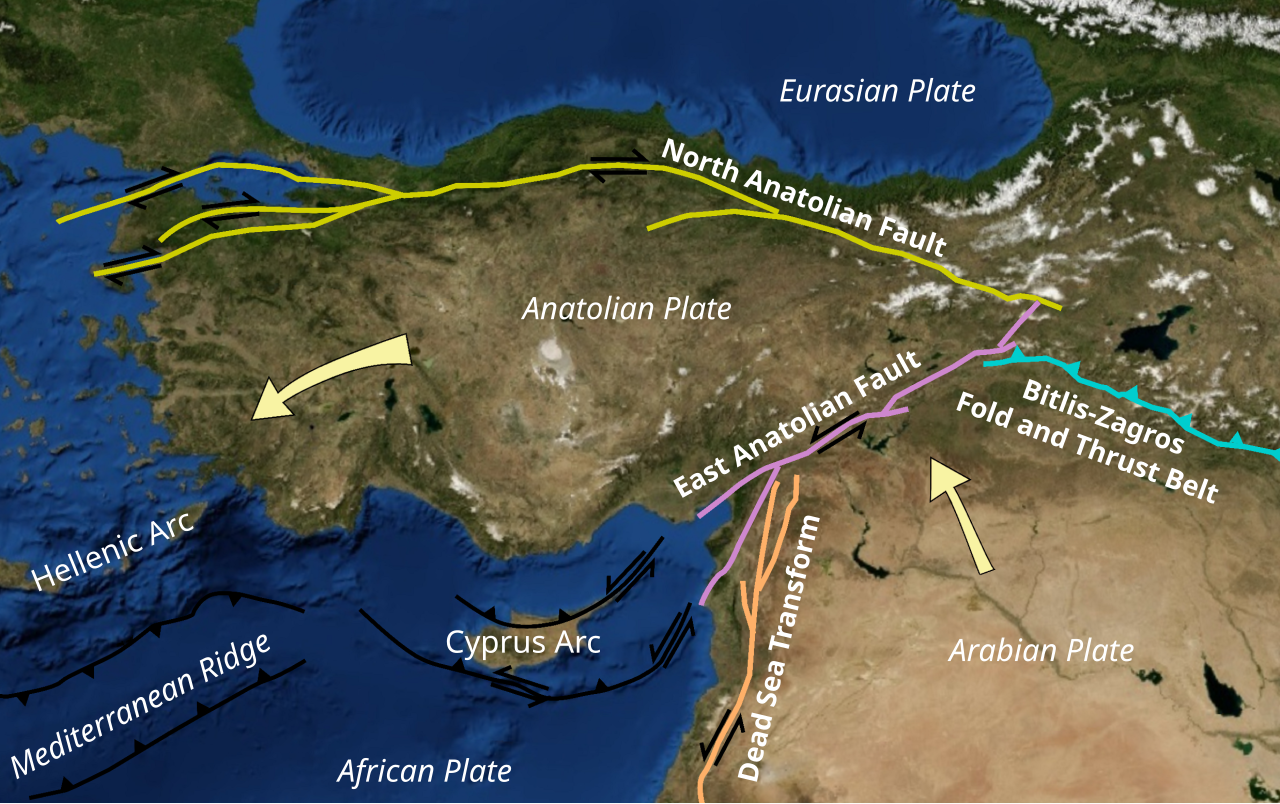
Cyprus lies near the boundary between the African and Eurasian tectonic plates. This geological setting makes the island one of the more seismically active regions in the Eastern Mediterranean. Tremors recorded as an earthquake Limassol are usually linked to offshore fault lines south or southwest of the island.
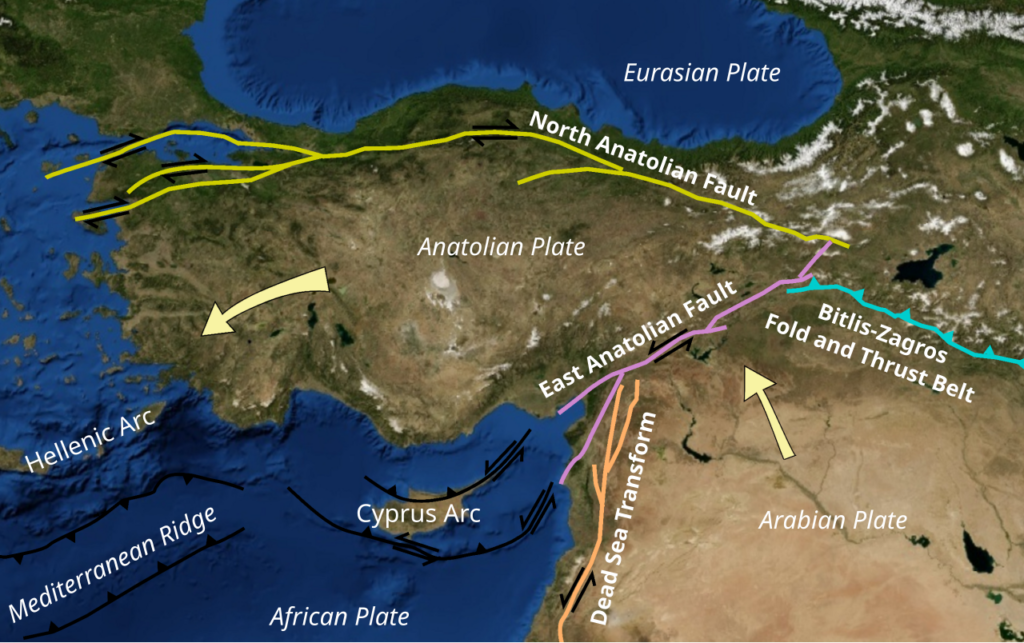
The Cyprus Geological Survey Department explains that most earthquakes affecting Limassol originate offshore, which reduces the likelihood of severe ground shaking on land. However, undersea seismic activity can sometimes be widely felt across coastal cities including Paphos, Limassol, and Larnaca.
Historical Context
Cyprus has experienced strong earthquakes in the past, particularly in the 20th century. The most significant modern events were recorded in the Paphos region, with magnitudes above 6.0. Limassol, located about 65 km east of Paphos, typically feels these events but rarely experiences catastrophic structural damage.
According to the Cyprus Geological Survey Department, hundreds of minor tremors are recorded annually, though most are too small to be felt by residents.
How Often Do Earthquakes Occur?
If you search for earthquake today Limassol, you may notice that small seismic events are reported several times per month. The majority measure between 2.0 and 4.0 on the Richter scale. These are usually described by residents as a quick vibration lasting a few seconds.
The table below shows typical earthquake magnitude ranges in Cyprus and their expected impact.
| Magnitude (Richter) | Frequency in Cyprus | Typical Impact in Limassol | Damage Likelihood |
|---|---|---|---|
| 2.0–2.9 | Very frequent (monthly) | Usually not felt | None |
| 3.0–3.9 | Frequent (several per year) | Light shaking indoors | Very low |
| 4.0–4.9 | Occasional | Noticeable shaking, objects may move | Low |
| 5.0–5.9 | Rare | Strong shaking, minor cracks possible | Moderate |
| 6.0+ | Very rare | Serious shaking | Higher risk |
In everyday life, most residents experience only minor tremors. A significant earthquake Limassol today would likely be widely reported by local media such as Cyprus Mail and AlphaNews.
✈ Find the Best Flights to Cyprus
Planning your trip to Limassol? Get the best deals on flights and save money on travel!
What to Do During an Earthquake in Limassol
If a tremor begins, immediate calm action is more important than panic. Cyprus authorities follow standard European seismic safety guidelines.
Indoors
- Drop to the ground immediately.
- Take cover under a sturdy table or desk.
- Hold on until shaking stops.
- Stay away from windows and balconies.
Do not run down staircases while shaking continues. Many injuries worldwide happen because people attempt to flee buildings during movement.
Outdoors
- Move away from buildings, streetlights, and power lines.
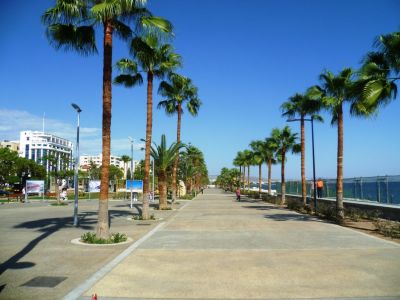
- Go to an open area such as Molos Promenade or a wide parking space.
- Avoid standing near older stone structures in the historic center.
In a Car
- Pull over safely.
- Avoid bridges and tunnels.
- Stay inside the vehicle until shaking stops.
Emergency number in Cyprus: 112 (EU-wide emergency line).
Building Standards and Structural Safety
Modern buildings in Limassol follow strict European seismic codes. Cyprus adopted updated anti-seismic regulations after destructive earthquakes in previous decades. New high-rise developments in areas such as Germasogeia and Agios Tychonas are constructed with reinforced concrete frames designed to absorb lateral movement.
Properties built after 1994 generally comply with improved seismic standards. When renting or buying property, ask about:
- Year of construction
- Compliance with Eurocode 8 (European seismic design code)
- Recent structural inspections
According to the Cyprus Scientific and Technical Chamber (ETEK), modern reinforced concrete buildings in Cyprus are engineered to withstand significant seismic forces relative to the island’s risk level.
Older stone houses in villages outside Limassol, such as Erimi or Kolossi, may be more vulnerable unless renovated.
🏨 Book a Hotel in Limassol
Find the perfect accommodation – from budget apartments to luxury resorts at the best rates.
How to Check Earthquake Updates in Real Time
When residents feel a tremor, searches for earthquake Limassol today increase immediately. Reliable sources matter more than social media speculation.
Official Sources
- Cyprus Geological Survey Department website
- European-Mediterranean Seismological Centre (EMSC)
- Cyprus Civil Defence social media accounts
These platforms publish magnitude, epicenter location, and depth within minutes of a recorded event.
Mobile apps such as EMSC Earthquake Alerts provide push notifications and show distance from Limassol in kilometers.
📶 Get Your eSIM for Cyprus
Forget about changing SIM cards and high roaming fees! Buy your eSIM online and stay connected instantly.
Living in Limassol: Practical Preparedness Tips
Daily life in Limassol continues normally despite occasional tremors. Cafés along Anexartisias Street, offices near Limassol Marina, and beachfront apartments in the tourist area are built to modern standards. Still, preparation is wise.
Home Preparedness Checklist
- Secure tall furniture to walls.
- Store heavy items on lower shelves.
- Keep a flashlight and power bank ready.
- Maintain bottled water (at least 3 liters per person).
Local Expert Tip: If you live near the seafront between Dasoudi Beach and the Old Port, identify open gathering areas such as the large parking zones near Limassol Marina. These are practical meeting points if buildings must be temporarily evacuated.
Insurance Considerations
Home insurance policies in Cyprus often include earthquake coverage, but always confirm. Annual premiums for a two-bedroom apartment valued at €250,000 typically range from €180 to €350 depending on coverage level.
🚗 Car Rental in Limassol
Want to explore Cyprus without limits? Rent a car at the best price and travel comfortably!
Frequently Asked Questions
Are earthquakes common in Limassol?
Minor tremors are relatively common and may occur several times per year. Most are low magnitude and cause no damage. Strong earthquakes are rare.
What should I do if I feel an earthquake in Limassol today?
Drop, cover, and hold on if indoors. Move to an open space if outside. Check official sources for verified information once the shaking stops.
Is Limassol safe from major earthquakes?
No place in Cyprus is completely risk-free, but modern construction standards significantly reduce danger. Severe earthquakes are uncommon compared to many other seismic regions worldwide.
How can I check real-time earthquake data?
Visit the Cyprus Geological Survey Department website or use the EMSC mobile app. These platforms provide magnitude, depth, and exact location within minutes.
Do hotels in Limassol follow earthquake safety regulations?
Yes. Licensed hotels operate under Cyprus building and safety regulations, including seismic codes. Large beachfront hotels in areas such as Agios Tychonas are built to modern structural standards.


