I almost didn’t go to Limassol. A friend suggested Cyprus, I typed “Limassol” into the search bar mostly out of curiosity, and three clicks later I had flights booked. That was probably the most spontaneous travel decision I’ve ever made — and seven days later, one of the best.
This isn’t a polished travel brochure. It’s what I actually experienced: the good morning coffee, the wrong turn that led to the best meal, the beach mistake I won’t make again, and the afternoon I sat by the marina wondering why I’d never come here sooner.
Getting There: Larnaca Airport to Limassol
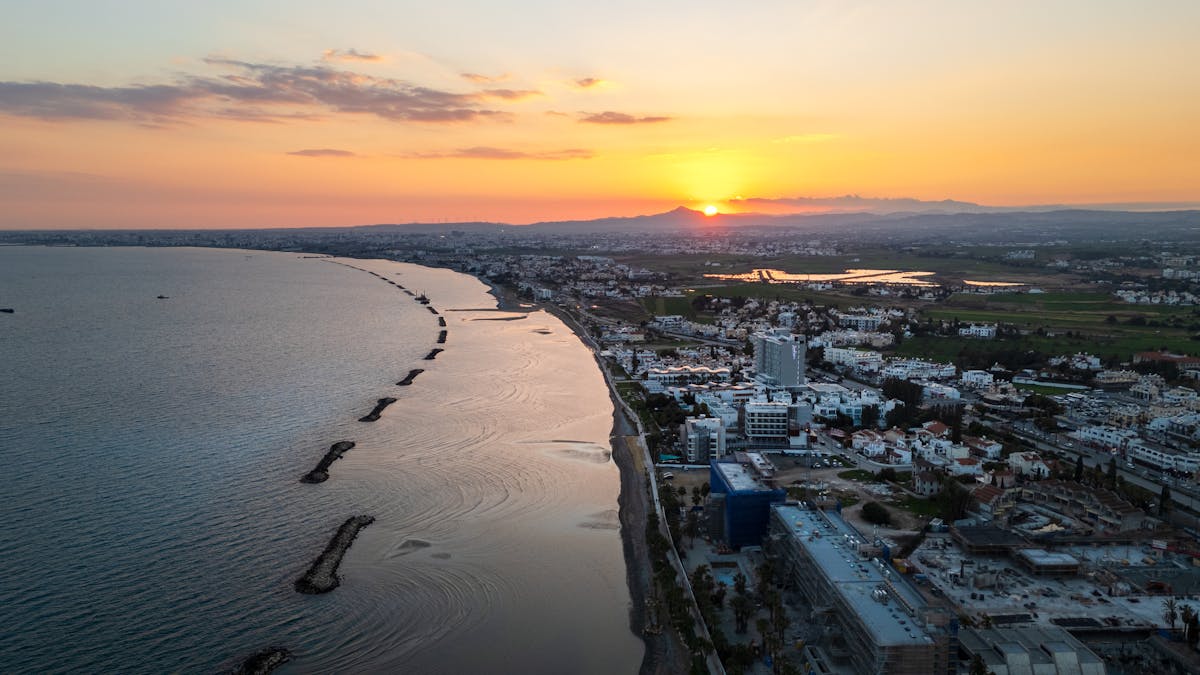
Limassol doesn’t have its own airport. You fly into Larnaca (LCA), which sits about 75 km east of the city. That distance matters — it shapes your first hour in Cyprus.
My advice: rent a car. Full stop. I considered the shuttle and the taxi — the shuttle runs on a schedule that doesn’t match yours, and the taxi quoted me €85 one-way. The car rental cost me €28 for the day and gave me freedom I used constantly for the rest of the week.
The drive itself is easy. The A-1 motorway runs straight west, sea on your left for most of it, about 45–50 minutes with no traffic. You pass a salt lake outside Larnaca where, in winter, flamingos gather. I didn’t see flamingos in June, but I did see flat turquoise water that made me pull over for five minutes just to look at it.
Tip: Fuel up before returning the car. Petrol stations near the airport charge noticeably more.
🚖 Airport Transfer: Larnaca → Limassol
Fixed price, no surprises, meets you in arrivals. Often cheaper than a taxi and far more reliable.
Book Transfer →🚗 Rent a Car in Limassol
The only sensible way to explore Cyprus. Compare prices and book in advance — rates are lower when booked early.
Compare Car Rentals →Where I Stayed
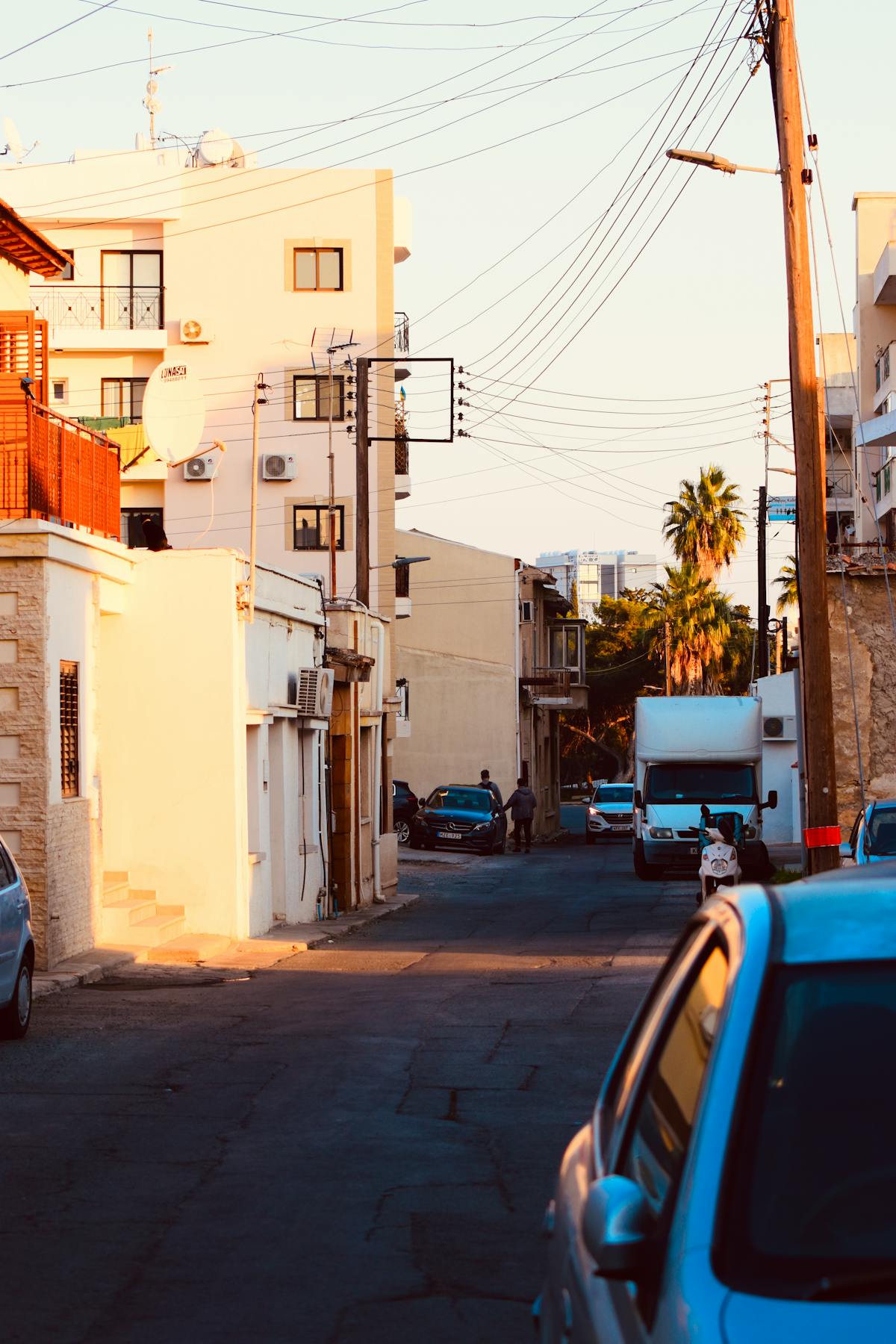
I booked a small hotel in the old town area, ten minutes’ walk from the castle. Not the cheapest option — there are cheaper hotels out in Germasogeia, the tourist strip east of the centre. But here’s the thing about Germasogeia: it’s fine if you want pools and all-inclusive. I wanted a city.
The old town gave me walking distance to everything that mattered for the first three days: the castle, the good coffee spots, the tavernas on the backstreets, the covered market. The downside is parking — there basically isn’t any. If you’re renting a car, factor in a paid car park (around €5–8 per day).
Average accommodation in the old town runs €80–150/night for a decent room in summer. Budget travellers can find guesthouses from €45–60.
🏨 Hotels in Limassol
From old town guesthouses to marina apartments — check current availability and prices.
Find Hotels →Day 1–2: The Old Town and the Castle
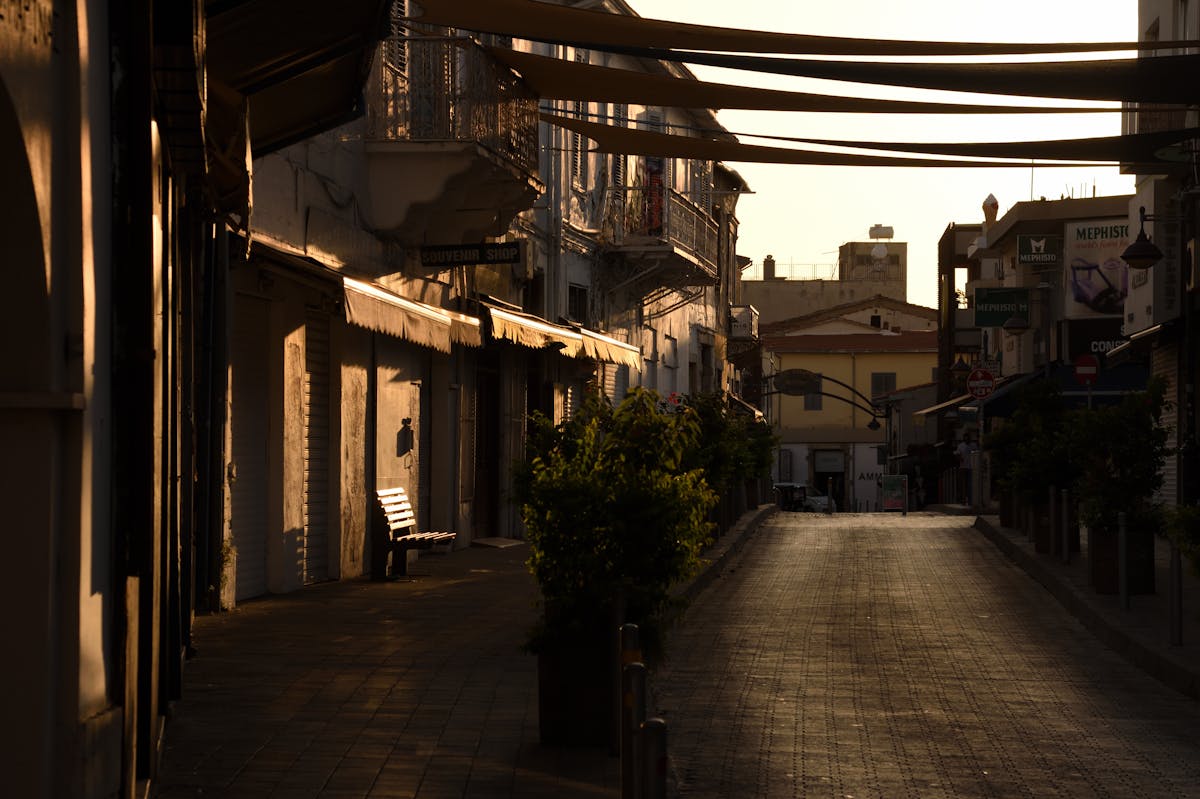
My first morning: walked downhill toward the sea, found a kafeneio (traditional café) still run by an old man who made frappe the way it’s supposed to be made — not the instant powder version. Thick, cold, slightly bitter. €2.50. That set the tone.
Limassol’s old town is not a sanitised tourist attraction. There are actual hardware stores next to boutique wine bars. Cats are everywhere and completely unbothered. Agios Andreou street runs through the heart of it — pedestrianised in sections, lined with carob-wood crafts and local pottery, with enough genuine neighbourhood life that you don’t feel like you’re walking through a set.
The Castle
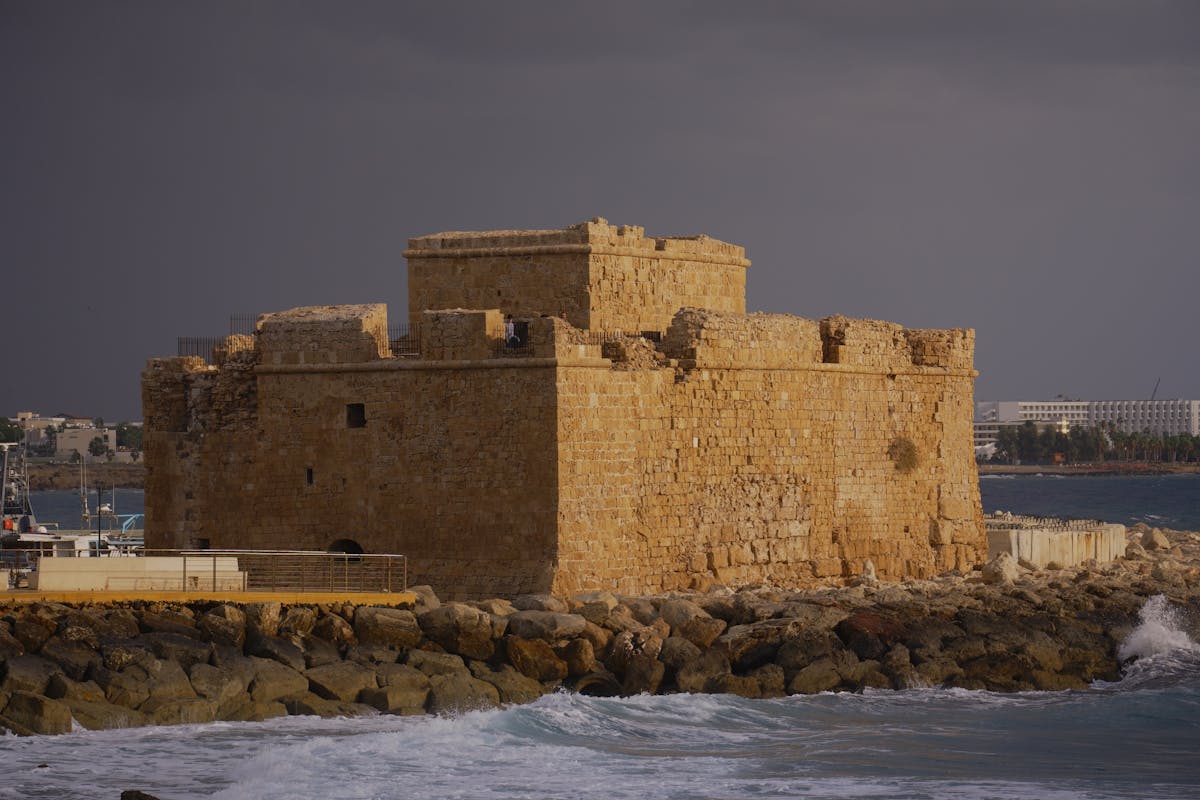
I went expecting a clean medieval fortress and got something more complicated. Limassol Castle is built on Byzantine foundations, expanded by the Crusaders, occupied by the Ottomans — so what you see is layers, not a single narrative. Inside there’s a medieval museum (€4.50 entry) with artefacts that genuinely deserve attention: Crusader effigies, Lusignan carvings, Ottoman weaponry.
The rooftop view is the main event. On a clear morning you can see the Troodos mountains to the north and the marina to the west. Go before 10am — after that it fills up.
Honest note: The signage inside is thin. If you care about context, do 20 minutes of reading before you go, or the objects won’t mean much.
Day 3: The Beach
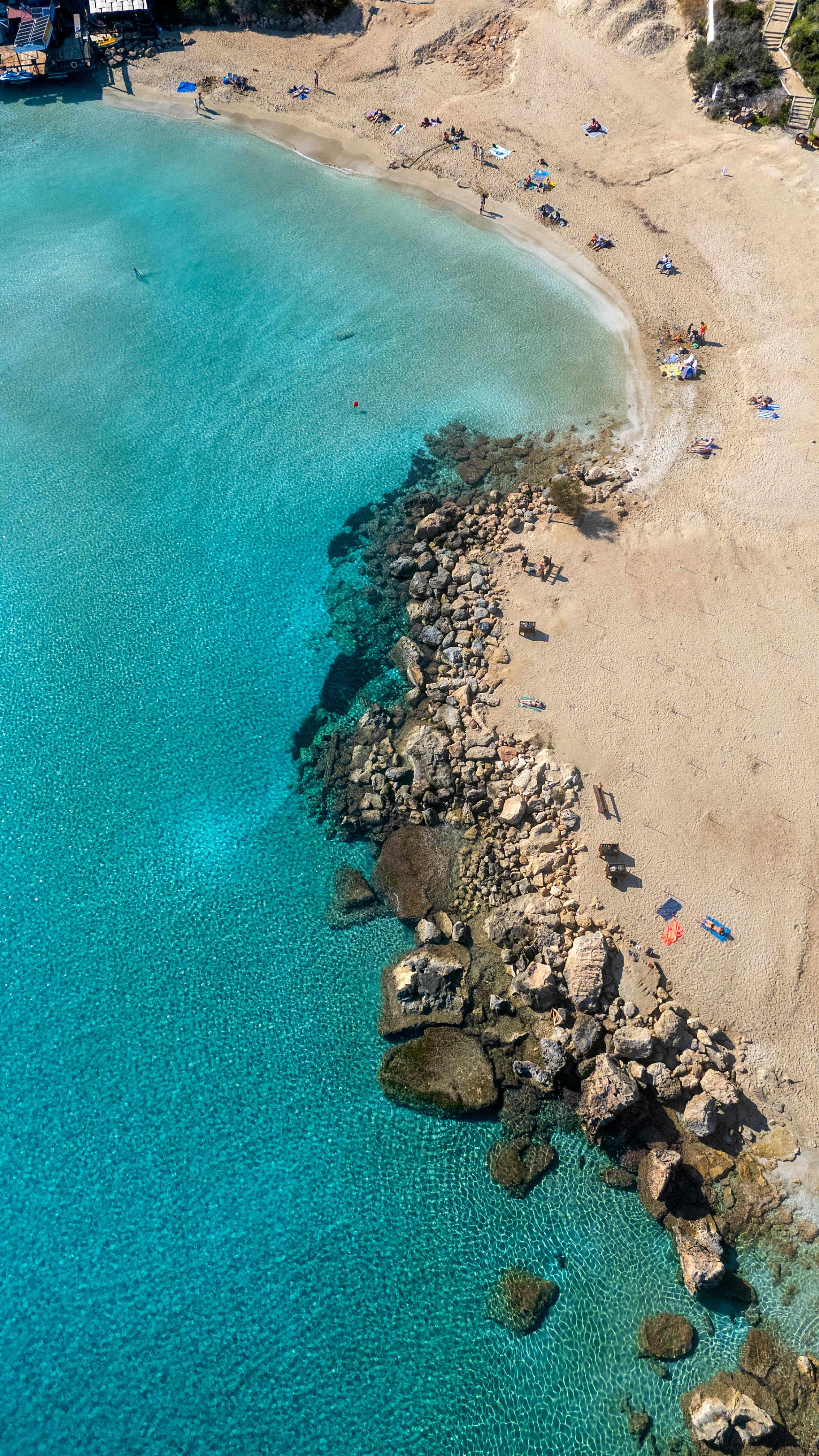
Here is the mistake I made: I arrived at Dasoudi beach at 12:30pm on a Saturday. Every sun lounger was taken. The shade was theoretical. The sea was still beautiful — clear, calm, a shade of blue that looks edited even when it isn’t — but I spent twenty minutes finding a patch of sand big enough for a towel.
Go early. Before 9am, Dasoudi is almost peaceful. The water temperature in June is around 24°C, warm enough to stay in for an hour without thinking about it. By 11am the beach fills. By 1pm it’s a crowd.
Dasoudi is a municipal beach — free entry, decent facilities, a café, some shade from the eucalyptus trees at the back. It’s not dramatic white-cliff scenery: it’s a long, wide strip of fine gravel and sand, family-friendly, with calm water. Exactly what it needs to be.
For something quieter, drive 20 minutes east toward Governors Beach — darker pebbles, dramatic white chalk cliffs, fewer people. Worth the detour on a weekday.
Day 4: Day Trip to Ancient Kourion
This was the day I was most glad I had a car. Kourion is 20 km west of Limassol along the coast road — a Greco-Roman archaeological site sitting on a clifftop 60 metres above the sea. Entry is €4.50. I spent two hours there and could have stayed longer.
What makes Kourion different from most ancient sites is the setting. The reconstructed theatre faces the sea. When you sit in the upper tiers, you understand exactly why they built it where they did. The view isn’t backdrop — it’s part of the experience.
The House of Eustolios (a late Roman villa with intact mosaic floors) is the quiet highlight — most visitors rush through it. Small but detailed: birds, fish, geometric patterns in terracotta and white.
On the way back, stop at Kolossi Castle — a 15th-century crusader tower, €2.50 entry, takes 30 minutes. The surrounding area was historically famous for sweet Commandaria wine. I bought two bottles, which survived the flight home wrapped in a sweater in checked luggage.
Food: What to Actually Eat
Meze: Order it once. It’s not a dish — it’s a format. The taverna brings out 15–20 small plates: taramasalata, houmous, olives, grilled halloumi, loukanika (local sausage), sheftalia (minced meat in caul fat), grilled octopus if you’re by the sea, cold cuts, salad, bread. It keeps coming until you ask it to stop. Cost: €18–22 per person, usually including bread and a small carafe of local wine or zivania.
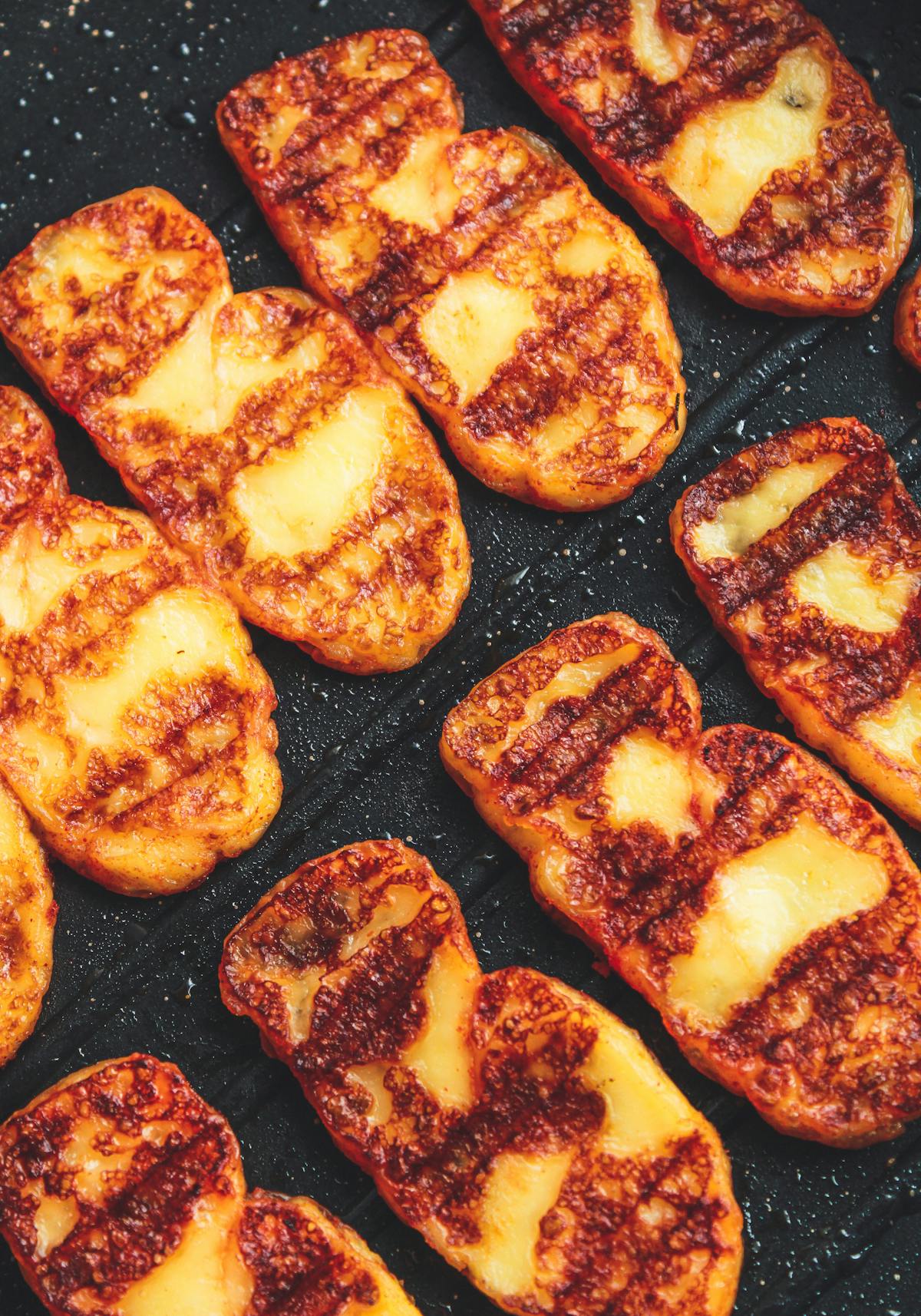
Halloumi: It’s everywhere, and the fresh local version has nothing to do with the vacuum-packed supermarket version you know. Order it grilled. The outside should be slightly charred. The inside should squeak.
Taverna etiquette: Don’t rush. A meze dinner is meant to take two hours. If the place has a laminated menu with photographs, find a different place.
Coffee: The Limassol cafe scene is serious. My morning ritual: one Greek coffee at a kafeneio (€1.80), one filter at a specialty cafe two streets over (€3.50). Both had their purpose.
Evening: The Marina and the Promenade
After 6pm, Limassol shifts. The heat drops from oppressive to pleasant, and people come outside.
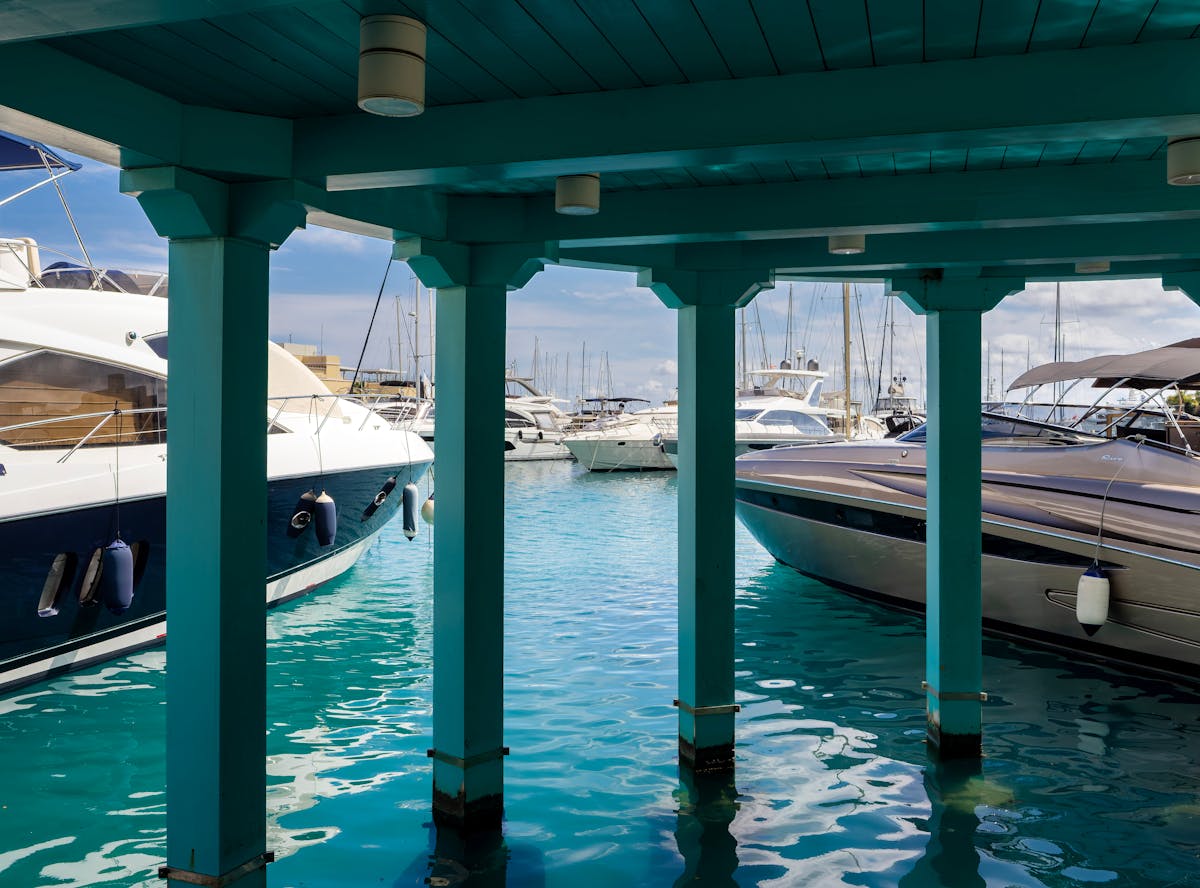
The marina — a purpose-built harbour with restaurants, a boardwalk, yachts that cost more than most houses. It’s touristy and slightly overpriced (a glass of wine is €9–12 here versus €4–6 elsewhere), but the setting is attractive around sunset. Walk through it, have one drink, move on.
What I preferred: the coastal promenade extending east from the old port. Less manicured, more local. Joggers, cyclists, families, the occasional fisherman. This is where Limassol actually lives in the evenings.
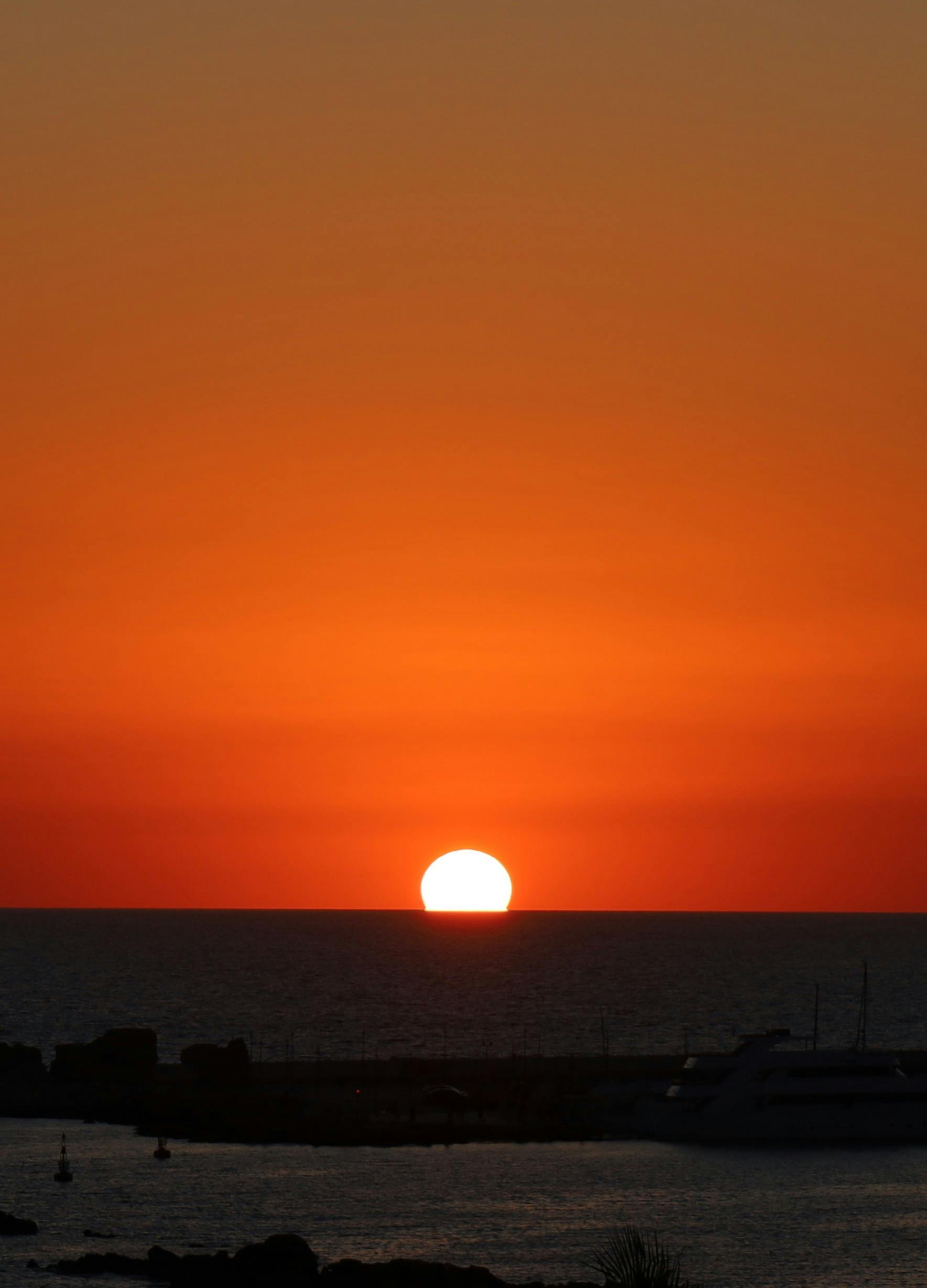
The best sunset spot I found: the rocks just west of the old port, past the small fishing harbour. Facing west, sea in front of you, the city behind. Late June, the light goes golden around 7:45pm and stays that way for thirty minutes.
What Surprised Me (The Honest Part)
Better than expected
- Safety. I walked around at midnight on several occasions, including through quiet back streets, and never felt uneasy.
- English. Almost everyone speaks it — elderly residents, market traders, everyone. It removes all the friction you’d expect in Southern Europe.
- The food quality. I expected Mediterranean-good. I got Mediterranean-excellent, especially anything involving local produce: tomatoes, olives, citrus, cheese.
- No aggressive tourism. No touts, no restaurant hosts pulling you in, no tourist-trap menus pushed at you. People leave you alone.
Less than expected
- Traffic. Limassol has serious congestion at rush hour. If you’re driving, avoid 8–9am and 5–7pm.
- Germasogeia. The hotel corridor east of the city is fine if you want that — but it’s strip-mall tourism. There are better versions of that experience elsewhere.
- August heat. Mean temperatures reach 35°C+ and the beaches are packed. May, September, or October are better in every way.
Is Limassol Worth It?
Yes, clearly. Limassol is worth it because it’s a real city that also happens to be next to the sea. It has a functioning old town, a cafe culture, a food culture, archaeological sites an hour’s drive away, and beaches you can use without paying €25 for the privilege. It’s not trying to be Santorini or Mykonos — it has its own personality: part Greek, part Levantine, part British colonial (Cyprus was British territory until 1960, which explains why everyone speaks English, drives on the left, and has roundabouts everywhere).
- Best for: Couples, families with children over 8, slow travellers, anyone who wants a beach trip but also wants something to do besides the beach.
- May, September, or October The sea is still warm, the temperature is manageable.
- How long: Five full days minimum to feel unhurried. Seven is comfortable.
- Budget per day: €80–120 for two people (accommodation separate), including food, entry fees, and petrol.
Practical Info
- Fly into: Larnaca Airport (LCA) — direct flights from most European cities including Ryanair, easyJet, Wizz Air
- Getting around: Rent a car — essential for day trips, very useful within the city
- Language: Greek officially, English universally
- Currency: Euro (€)
- Driving: Left side of the road (British legacy)
- Castle entry: €4.50 | Kourion: €4.50 | Kolossi: €2.50
🚖 Airport Transfer: Larnaca → Limassol
Fixed price, no surprises, meets you in arrivals. Often cheaper than a taxi and far more reliable.
Book Transfer →🚗 Rent a Car in Limassol
The only sensible way to explore Cyprus. Compare prices and book in advance — rates are lower when booked early.
Compare Car Rentals →🏨 Hotels in Limassol
From old town guesthouses to marina apartments — check current availability and prices.
Find Hotels →


